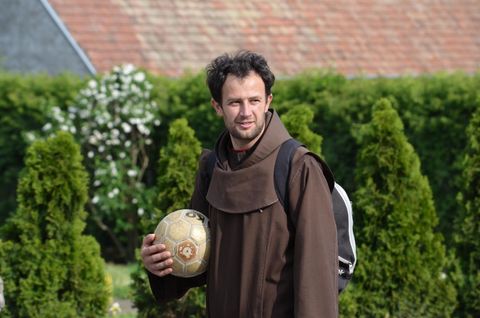
Your Journey Towards Becoming a Friar
Enquiry and Discernment
Start with a conversation
Your first step is to contact Br. Reu OFM, the Franciscan Vocations Animator, at vocations@friar.org. He will get back to you and ask for more information and a CV to learn about your story.
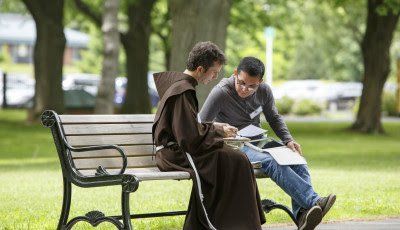
What is life as a friar really like? Over several months, you will meet the friars, visit friaries and join live-in “Come and See” events. Alongside these experiences, prayer and reflection help you explore whether this life is for you.
If you and the Animator agree, a longer stay in a friary can give you a closer experience of community life—and a chance for you and the friars to get to know each other.
Taking the next step
After months of prayer, conversation and guidance, you may be ready to apply for the Postulancy programme.
Applying involves forms, tasks, assessments and interviews. This is an important step for both you and the friars, helping everyone ensure that the Order’s entry requirements are met.
When the process is complete, the Assessment and Interview Panel may recommend that the Minister Provincial in Dublin accept you as a postulant—the start of your formal Franciscan formation.
Postulancy: Experience Community Life
(from the Latin “postulare”, meaning “to ask”)
Your journey begins with almost a year as a postulant, living as a layman in a Franciscan community. You will share in prayer, liturgy and retreats, learn through workshops and reading, help with work inside and outside the friary, and enjoy recreation and visits to other friaries and places of interest.
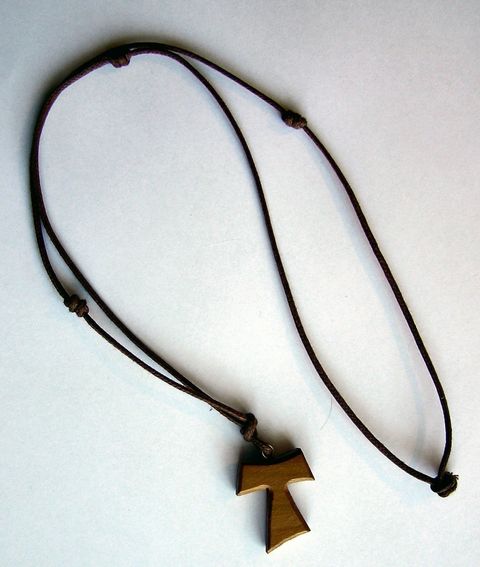
You share the community’s everyday life without yet taking on the obligations of a friar. You wear the Franciscan Tau cross, but not the habit.
This is time to discover more about Franciscan life—and yourself. Visiting friars and lay people with expertise in spiritual, psychological and emotional development support your growth and help you prepare for religious life and ministry.
Discernment remains open: you can leave at any point, and the formators may also advise you to do so.
Novitiate: Deepen your Commitment
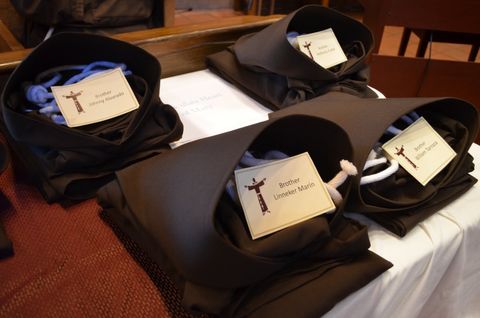
During the year-long novitiate, you become a novice and promise to live the Franciscan way of life in community, without yet taking vows. You receive the brown habit, cowl and three-knotted cord—reminders of your promises and your hope of a future vowed life.
This year invites you to grow closer to God and enter more deeply into Franciscan life. Prayer, silence, community, learning, ministry, work and leisure all have their place.
You are not on this journey alone. Formators, speakers and spiritual directors support you, either living with the novices or visiting. Together, you study and reflect on the vows, the Rule, and the Order’s history and traditions, locally and worldwide.
At the end of the full year, you profess your first vows of poverty, chastity and obedience as a Franciscan Friar Minor.
Post-novitiate: Grow into your Vocation (temporary profession)
Over the next five or six years, you live in a post-novitiate friary or friaries, preparing for solemn (final) profession and full-time ministry.
Your formation develops the whole person: personal, spiritual, pastoral and intellectual growth go together. You undertake Franciscan, theological, human and philosophical studies at Church institutes alongside other Franciscans and men and women in religious life.
Whether or not you feel called to priesthood, you have opportunities for tertiary theological education and training for Franciscan life.
Initial formation ends with solemn profession, or final vows: your lifelong commitment as a full member of the Franciscan Order.
Ongoing formation: Put your Calling into Practice
Your calling leads to service. All friars receive support in preparing for ministry, whether or not they pursue priesthood, before beginning the work they have trained for in the Church and the wider world.
For those called to priesthood, ministry includes serving as an ordained friar. Some time after solemn profession, friars preparing for priesthood undertake a year of preparation for ordination and ministry as brother priests.
Formation for life: Keep Growing
Becoming a friar is not the end of learning—it is a lifelong commitment to growth. You continue to deepen your prayer and spiritual life, keeping your theological, spiritual, Franciscan and pastoral knowledge current through study and seminars so you can minister and evangelise effectively.
Following St Francis’s example, this means making time each day for contemplative prayer and reflection, receiving regular spiritual direction, and taking part in retreats, workshops, lectures and courses at Church centres.
Franciscan formation is a journey you keep living, learning and growing into—for life.